Prime Highlight
- Johnson & Johnson projected higher-than-expected sales and earnings for 2026, despite a U.S. drug pricing agreement expected to cut profits by hundreds of millions of dollars.
- Strong performance in its core pharmaceutical and medical devices businesses helped the company offset the impact of lower drug prices.
Key Facts
- The company forecast 2026 operational sales of $99.5–$100.5 billion and earnings of $11.43–$11.63 per share, both above analyst expectations.
- Fourth-quarter adjusted profit reached $6 billion, or $2.46 per share, while revenue rose to $24.56 billion, beating market forecasts.
Background
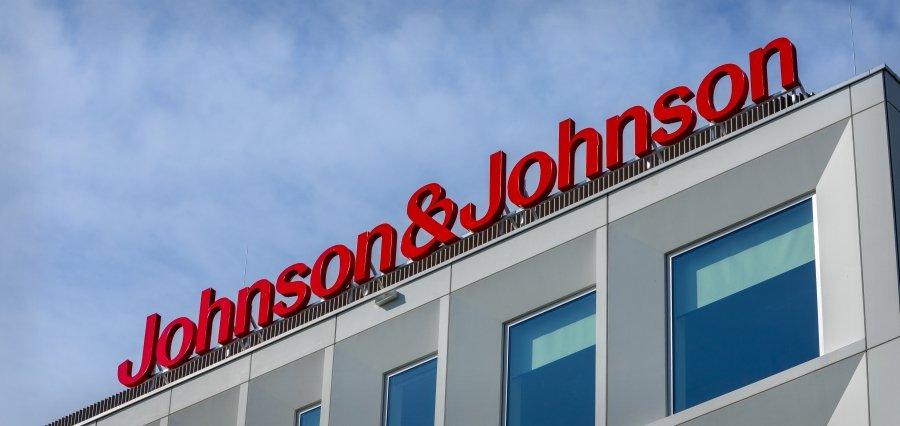
Johnson & Johnson has projected higher-than-expected sales and profit for 2026, even after accounting for the impact of a U.S. drug pricing agreement signed earlier this month. The healthcare giant said the deal would reduce earnings by hundreds of millions of dollars, but strong performance across its core businesses helped offset the hit.
The company forecast 2026 operational sales in the range of $99.5 billion to $100.5 billion, topping analysts’ expectations of $98.9 billion. It also expects full-year earnings of $11.43 to $11.63 per share, slightly above the Wall Street estimate of $11.45 per share.
Chief Financial Officer Joseph Wolk said the company managed to exceed market expectations despite the pricing deal. Johnson & Johnson is one of 16 major pharmaceutical companies that have agreed to reduce U.S. drug prices in exchange for exemptions from tariffs introduced during the Trump administration.
The company also reported better-than-expected results for the fourth quarter. Adjusted profit came in at $6 billion, or $2.46 per share, beating analysts’ forecasts of $2.44 per share. Revenue for the quarter reached $24.56 billion, above the expected $24.16 billion.
Strong drug sales supported the results. Darzalex, a blood cancer treatment, and Tremfya, a psoriasis drug, showed strong growth, while the medical devices unit remained stable. Sales in the Innovative Medicine division increased by 10% to $15.76 billion, beating market expectations.
However, Johnson & Johnson still faces challenges. Sales of its psoriasis drug Stelara fell more sharply than expected as competition from lower-cost biosimilars increased. Despite this, Wolk said the rest of the drug portfolio is growing at a healthy pace and will support the company’s growth in the coming years.
The results come amid ongoing legal battles over the company’s talc products. A court-appointed official recently recommended allowing expert testimony linking the products to ovarian cancer. Johnson & Johnson maintains that its talc products are safe and do not cause cancer.
Overall, the company said it remains confident in its long-term growth outlook.