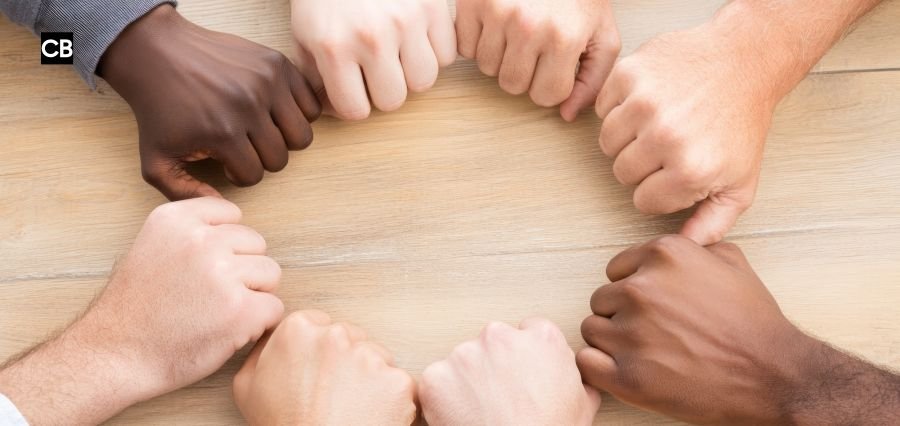
Modern organizations are becoming increasingly global, with teams often consisting of individuals from different countries, cultures, languages, and professional backgrounds. This diversity brings valuable perspectives, creative ideas, and unique approaches to problem-solving. However, successfully bringing together people with different cultural experiences requires effective leadership, communication, and understanding.
Managing multicultural teams involves creating an environment where employees from diverse backgrounds can collaborate effectively, respect different viewpoints, and work toward shared organizational goals. By embracing cultural diversity and promoting inclusion, leaders can create stronger teams that enhance innovation, productivity, and workplace engagement.
In today’s interconnected business environment, cultural diversity is not only a challenge to manage but also an opportunity to create more dynamic and successful organizations. By developing the right strategies, leaders can transform cultural differences into strengths that support business growth.
Understanding the Importance of Multicultural Teams
Multicultural teams bring together individuals with different experiences, perspectives, and ways of thinking. This diversity can help organizations approach challenges from multiple angles and develop more creative solutions.
Employees from different cultural backgrounds often contribute unique ideas based on their experiences and knowledge. This can improve innovation, decision-making, and problem-solving within organizations.
While diversity offers significant benefits, it does not automatically lead to successful teams. Leaders must establish systems and practices that encourage collaboration, respect, and effective communication.
Managing multicultural teams requires awareness of cultural differences while ensuring that all team members feel valued and included.
Building Cultural Awareness Among Team Members
Cultural awareness is the foundation of successful multicultural collaboration. Team members should understand that people may have different communication styles, work habits, and approaches to decision-making.
Organizations can encourage cultural awareness through training programs, team discussions, and learning opportunities that help employees understand different perspectives.
When employees recognize and respect cultural differences, they are more likely to avoid misunderstandings and build stronger professional relationships.
Leaders play an important role in promoting cultural awareness by demonstrating openness, curiosity, and respect toward different traditions and viewpoints.
Developing Effective Communication Practices
Communication is one of the biggest challenges in multicultural teams. Differences in language, communication styles, and cultural expectations can sometimes create confusion.
Leaders should establish clear communication practices that encourage transparency and understanding. Using simple language, confirming important information, and encouraging questions can help reduce communication barriers.
Teams should also recognize that communication styles may vary. Some cultures may prefer direct communication, while others may use more indirect approaches. Understanding these differences helps create smoother interactions.
Effective communication is essential for managing multicultural teams because it builds trust and improves collaboration.
Creating an Inclusive Team Environment
An inclusive workplace ensures that every team member feels respected, supported, and able to contribute. Leaders should create environments where employees feel comfortable sharing ideas and expressing opinions.
Inclusion involves recognizing different perspectives and ensuring that decisions are not influenced by cultural biases. Everyone should have equal opportunities to participate and grow.
Leaders can support inclusion by encouraging teamwork, celebrating diversity, and addressing behaviors that create barriers between employees.
A strong sense of belonging improves motivation and strengthens team performance.
Establishing Common Goals and Shared Values
While team members may have different cultural backgrounds, shared goals help create unity. Leaders should clearly communicate organizational objectives and ensure that everyone understands their role in achieving them.
Shared values such as respect, accountability, collaboration, and professionalism provide a common foundation for teamwork.
When employees focus on common objectives rather than differences, they are more likely to collaborate effectively and support each other.
Managing multicultural teams becomes easier when leaders create alignment around shared purposes and expectations.
Adapting Leadership Styles
Different cultures may have different expectations regarding leadership, authority, feedback, and teamwork. Effective leaders understand that one leadership approach may not work equally well for everyone.
Adaptable leaders consider individual preferences while maintaining consistent organizational standards. They balance flexibility with clear expectations to create effective working relationships.
For example, some employees may prefer detailed guidance, while others may value independence. Understanding these differences helps leaders provide better support.
Adaptable leadership strengthens trust and improves team engagement.
Encouraging Collaboration and Knowledge Sharing
Multicultural teams offer valuable opportunities for learning and knowledge exchange. Employees can learn from different perspectives and develop broader approaches to solving problems.
Leaders can encourage collaboration through team projects, brainstorming sessions, and cross-cultural activities.
Creating opportunities for employees to share experiences helps strengthen relationships and improves understanding among team members.
Collaboration allows multicultural teams to use diversity as a source of innovation and creativity.
Managing Conflicts Effectively
Conflicts can occur in any workplace, but cultural differences may sometimes increase misunderstandings. Leaders must address conflicts quickly and fairly to maintain positive team relationships.
Effective conflict management involves listening to different perspectives, identifying the root cause, and finding solutions that respect all parties.
Leaders should avoid making assumptions based on cultural backgrounds and instead focus on specific behaviors and situations.
A constructive approach to conflict can strengthen relationships and improve team communication.
Supporting Remote and Global Collaboration
Many multicultural teams operate across different locations and time zones. Remote collaboration requires additional attention to communication, coordination, and team connection.
Leaders should use effective digital tools, establish clear communication schedules, and create opportunities for virtual team engagement.
Understanding time zone differences, cultural holidays, and work preferences helps create a more supportive remote environment.
Strong remote collaboration practices ensure that global teams remain connected and productive.
Developing Emotional Intelligence in Leadership
Emotional intelligence is an important skill for leaders managing diverse teams. It involves understanding emotions, showing empathy, and responding effectively to different situations.
Emotionally intelligent leaders can build stronger relationships and handle cultural differences with greater sensitivity.
By practicing active listening and demonstrating respect, leaders can create trust within multicultural teams.
The Business Benefits of Effective Multicultural Team Management
Organizations that successfully manage diverse teams often experience improved innovation, stronger problem-solving, and better employee engagement.
Multicultural teams can provide valuable insights into different markets and customer perspectives, helping businesses expand globally.
Effective management allows organizations to maximize the benefits of diversity while reducing potential challenges.
Conclusion
Managing multicultural teams requires understanding, adaptability, and strong leadership. When organizations create inclusive environments, encourage communication, and respect cultural differences, diverse teams can become powerful drivers of success.
Managing multicultural teams is not only about addressing differences but also about recognizing the strengths that diversity brings. By building trust, promoting collaboration, and creating shared goals, leaders can develop teams that are more innovative, productive, and connected.
In a global business environment, the ability to manage cultural diversity effectively is becoming an essential leadership skill. Organizations that embrace multicultural collaboration can create stronger workplaces and achieve long-term success.
Frequently Asked Questions (FAQs)
1. Why is managing multicultural teams important?
Managing multicultural teams is important because it helps organizations improve collaboration, encourage innovation, and benefit from diverse perspectives.
2. What are the biggest challenges in multicultural teams?
Common challenges include communication differences, cultural misunderstandings, different work styles, and varying expectations about teamwork.
3. How can leaders improve communication in multicultural teams?
Leaders can improve communication by encouraging transparency, using clear language, understanding cultural differences, and creating open feedback channels.
4. How does diversity benefit organizations?
Diversity improves creativity, problem-solving, decision-making, and the ability to understand different customer markets.
5. What skills do leaders need to manage multicultural teams?
Important skills include cultural awareness, communication, adaptability, emotional intelligence, conflict management, and inclusive leadership.